



Businesses no longer compete only on products or pricing. Instead, they compete on digital experience. That’s why custom mobile app development services have become essential for startups, enterprises, and growing brands across the United States, Australia, and Pakistan.
If you are searching for reliable, scalable, and future-ready app solutions, you likely want more than just code. You want strategy, performance, security, and measurable ROI. In this guide, you will learn how custom app solutions work, when to choose them, how they compare to ready-made apps, and how to select the right development partner.
Before investing, it’s important to understand why businesses search for custom mobile app development services. The intent usually falls into four categories:
Users want to know:
Business owners look for:
Some users already know the agency they want. For example, they may search for The Brands Bureau to explore professional mobile solutions and case studies.
Many users compare:
Understanding these intentions helps businesses make informed decisions instead of rushing into development.
Custom mobile app development services refer to designing and building mobile applications tailored specifically to a business’s needs. Unlike pre-built solutions, custom apps align with your brand identity, workflow, scalability requirements, and long-term goals.
Developers typically build apps for:
Because every business operates differently, custom apps provide flexibility, security, and integration capabilities that generic apps cannot match.
Custom apps support your unique operations. For example, an eCommerce brand may require custom checkout logic, while a logistics company may need live tracking integration. Therefore, tailored development ensures every feature serves a business objective.
As your company expands, your app must handle higher traffic, more users, and additional features. Custom mobile app development services allow architecture planning from day one, which prevents costly rebuilds later.
Since developers write the code specifically for your business, they implement advanced security measures such as encrypted APIs, secure authentication, and compliance with local data regulations in the US, Australia, and Pakistan.
Custom apps integrate easily with:
As a result, your entire digital ecosystem works together smoothly.
While competitors rely on standard templates, you can differentiate through unique UI/UX, innovative features, and optimized performance.
| Feature | Custom App | Off-the-Shelf App |
| Customization | Fully tailored | Limited |
| Scalability | High | Restricted |
| Security | Advanced | Standard |
| Ownership | Full control | License-based |
| Cost | Higher initial | Lower upfront |
Although ready-made apps may appear cheaper initially, custom mobile app development services often deliver better long-term ROI.
Professional agencies combine multiple technologies depending on project needs.
Native apps offer strong performance and platform-specific optimization.
Frameworks like Flutter and React Native allow developers to build apps for both platforms with a single codebase. Consequently, businesses reduce development time and costs.
Developers often use:
Because backend infrastructure impacts performance, selecting the right stack is crucial.
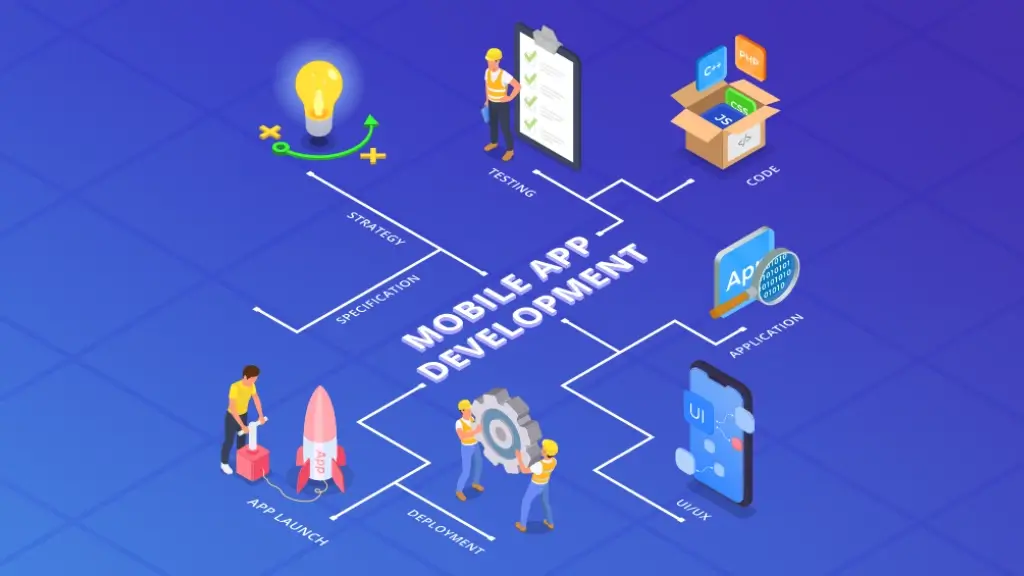
Professional custom mobile app development services typically follow a structured approach:
First, the team analyzes your goals, audience, and competitors. They define KPIs, monetization models, and technical requirements.
Next, designers create wireframes and interactive prototypes. This stage ensures user experience aligns with brand identity and usability best practices.
Developers then write clean, scalable code. They build both frontend and backend systems while maintaining security and performance standards.
Quality assurance teams conduct:
Therefore, the app launches with minimal bugs.
Finally, the team publishes the app on the App Store and Google Play. Ongoing maintenance ensures updates, security patches, and performance improvements.
Selecting the right agency determines project success. Consider these factors:
For businesses targeting the United States, Australia, or Pakistan, it is essential to work with a partner who understands local market behavior and compliance requirements.
Although pricing varies, here is a general estimate:
However, cost depends on:
Therefore, businesses should focus on value instead of just initial cost.
Custom mobile app development services support various industries, including:
For example, healthcare apps require HIPAA compliance in the US, while fintech apps require secure encryption and regulatory standards.
At The Brands Bureau, we combine strategy, design, and development to create scalable mobile applications. Our team prioritizes performance, security, and user experience.
Moreover, we follow agile methodologies, provide transparent reporting, and deliver measurable results. Whether you are a startup in Pakistan or an enterprise in the United States or Australia, we build solutions that align with your growth objectives.
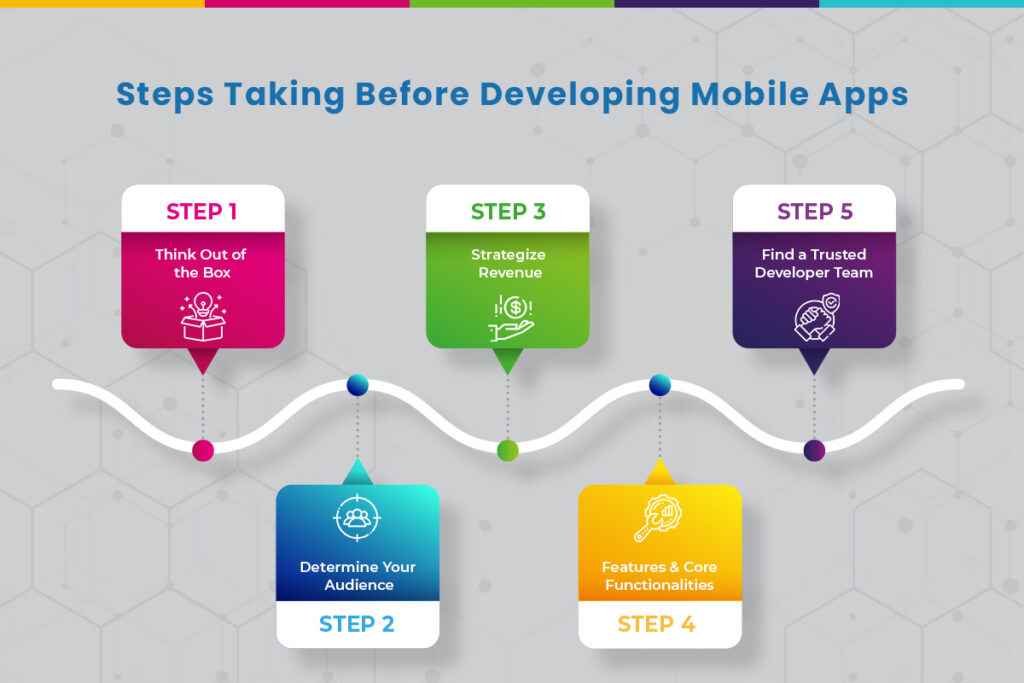
subscription models, in-app purchases, ads, or transaction-based revenue systems.
Custom mobile app development services empower businesses to build scalable, secure, and high-performing applications tailored to their needs. Unlike generic solutions, custom apps support long-term growth, integrate seamlessly with existing systems, and enhance user experience.
Moreover, they provide competitive advantages in crowded digital markets. If you want to improve customer engagement, streamline operations, and boost revenue, investing in custom development is a strategic move.
Ready to build your next mobile app? Visit https://thebrandsbureau.com/ and request a consultation today.
Most projects take 3 to 6 months. However, complex enterprise apps may require more time.
Yes, custom apps provide better scalability, security, and brand alignment compared to template-based solutions.
If your audience uses both platforms, cross-platform development can reduce costs while covering a broader market.
Yes, professional agencies provide ongoing maintenance and feature updates.
You can use subscription models, in-app purchases, ads, or transaction-based revenue systems.
This article is published by The Brands Bureau, a professional digital solutions company specializing in mobile app development, web development, UI/UX design, and digital growth strategies. With experience serving clients across the United States, Australia, and Pakistan, the company focuses on delivering secure, scalable, and performance-driven digital products.





Leave A Reply Now