



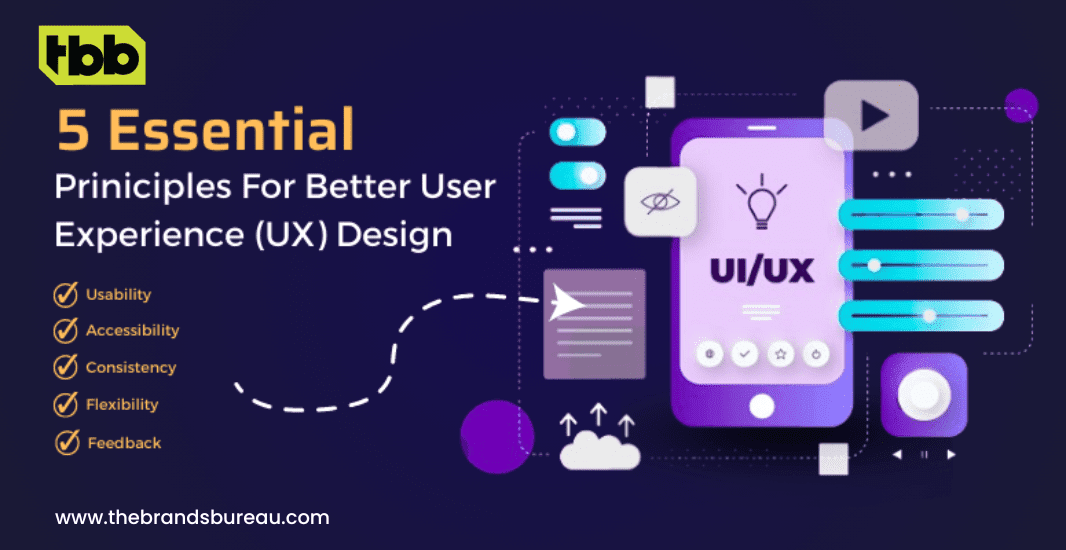
Technology evolves and user expectations skyrocket, the need for smarter, more intuitive UX design becomes even more critical. In 2025, businesses must prioritize user-centered design principles to stay competitive. Smarter UX isn’t just about aesthetics; it’s about creating seamless, functional experiences that drive user engagement and retention. In this article, we’ll explore how businesses can leverage UI/UX services to build smarter, future-proof designs.
In 2025, smarter UX goes beyond traditional usability. It’s about integrating advanced technologies and user-focused strategies to create designs that adapt and evolve with user needs. From personalization powered by AI to intuitive navigation that anticipates user behavior, smarter UX aims to create an experience that feels effortless, intuitive, and engaging.
Key attributes of smarter UX include:
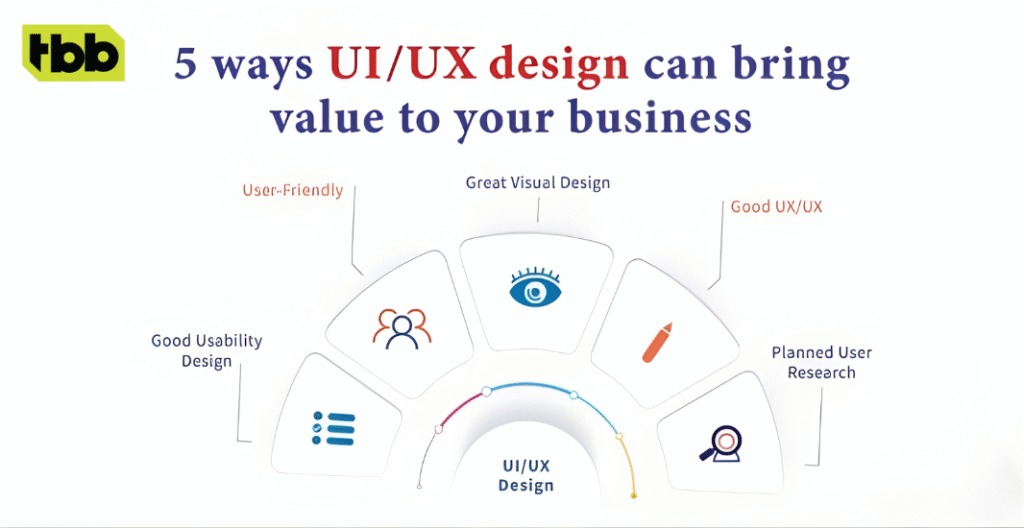
AI is revolutionizing the way UX is designed. In 2025, UI/UX services will increasingly leverage AI to analyze user behavior, predict needs, and offer personalized experiences. Personalization can range from dynamic content recommendations to adaptive interfaces that change based on user preferences.
Voice assistants and gesture controls are gaining momentum. In 2025, more websites and apps will incorporate voice-activated commands and gesture-based navigation, making interfaces even more intuitive.
Augmented Reality (AR) and Virtual Reality (VR) are no longer just buzzwords. As we move into 2025, smarter UX will increasingly incorporate these technologies, particularly in e-commerce, real estate, and education sectors.
In 2025, a mobile-first approach remains a top priority. With increasing smartphone usage, optimizing the mobile experience will be crucial for businesses to reach a broader audience.
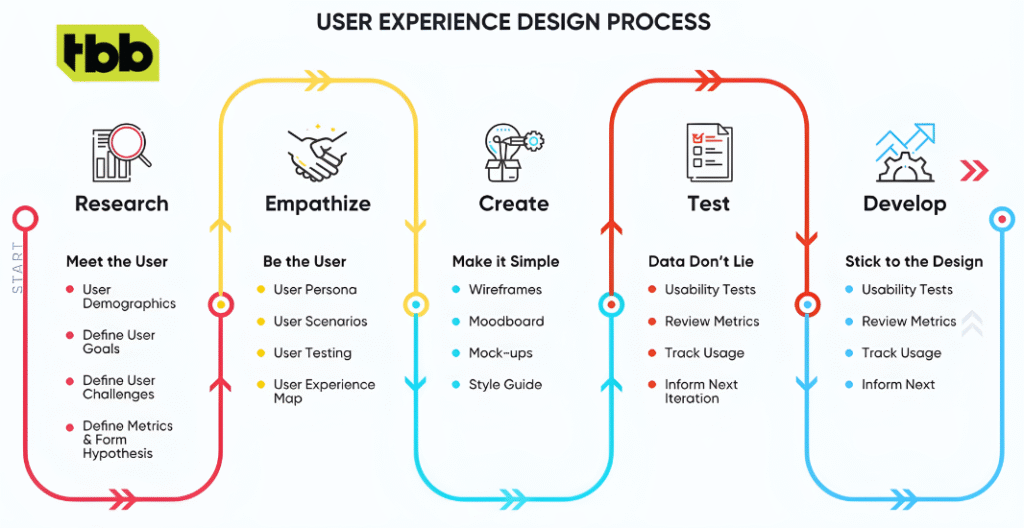
The first step in creating a smarter UX is understanding your users. Use UI/UX services to conduct user research through surveys, interviews, and analytics to gather insights on user preferences, behaviors, and pain points.
In 2025, personalized user experiences are essential. Tailor your interface and content to adapt to each user’s preferences. Leverage AI-driven tools that dynamically adjust the user interface (UI) based on individual behaviors.
Microinteractions are small yet powerful design elements that improve usability without distracting the user. These include animations, hover effects, and subtle transitions that provide feedback on user actions.
Accessibility is no longer optional—it’s essential. Ensure that your design meets the needs of users with disabilities, including those who rely on screen readers or keyboard navigation.
Once your design is live, continuous testing and optimization are key. Use A/B testing, heatmaps, and feedback from real users to identify areas for improvement.
In 2025, UI/UX services will play a critical role in shaping the future of user experience. By embracing trends such as AI, mobile-first design, and personalized interfaces, businesses can build smarter, more engaging UX that keeps users coming back. As user expectations continue to rise, adapting to these changes will be key to staying ahead in the competitive digital landscape.
Call to Action: Ready to create a smarter UX for your brand? Get in touch with our team at The Brands Bureau and let us help you design a user experience that drives results!
Q1: What are UI/UX services?
UI/UX services refer to the design and development of user interfaces and experiences for websites and applications. These services focus on creating intuitive, user-friendly designs that enhance interaction and engagement.
Q2: Why is UX design important for businesses in 2025?
UX design is critical for businesses in 2025 as it directly impacts user engagement, retention, and conversion. A well-designed user experience leads to higher customer satisfaction and improves brand loyalty.
Q3: How can AI improve UX design?
AI can improve UX design by providing personalized experiences based on user data, predicting user behavior, and adapting interfaces accordingly. This leads to more relevant content and smoother interactions for users.
Q4: How does mobile-first design impact UX?
Mobile-first design prioritizes the mobile experience, ensuring that websites and apps are optimized for smaller screens. This approach enhances usability, improves accessibility, and caters to the growing number of mobile users.
Q5: What are microinteractions in UX design?
Microinteractions are small, subtle design elements that provide feedback on user actions. These include animations, transitions, and button states, which enhance the user experience by making it feel more responsive and engaging.
The Brands Bureau is a leading digital design agency specializing in high-quality UI/UX services for businesses looking to enhance their digital presence. With years of experience in crafting user-centric designs, The Brands Bureau helps brands build smarter, more engaging user experiences that drive results. Their team of expert designers and strategists work closely with clients to create intuitive, mobile-first, and AI-powered interfaces that boost user engagement, retention, and satisfaction. Whether you’re looking to redesign your website, optimize your mobile app, or implement the latest in UX trends, The Brands Bureau provides end-to-end solutions to help your business succeed in the digital age.




Leave A Reply Now