



Businesses no longer grow with one-size-fits-all tools. Instead, they thrive with systems built around their workflows, teams, and customer journeys. That’s why custom crm development services have become a strategic investment rather than a technical upgrade.
If you’re searching for ways to improve sales tracking, automate marketing, and centralized customer data, this guide will help you understand how to build a tailored CRM that fits your exact needs. Whether your intent is informational, comparison-based, or transactional, you’ll find clear steps, expert insights, and practical examples below.
Off-the-shelf CRM platforms like Salesforce or HubSpot offer robust features. However, many companies quickly realize they pay for tools they never use while missing features they truly need.
With custom crm development services, you:
Moreover, custom CRM systems give you full control over security, performance, and data ownership. As regulations tighten in regions like the United States, United Kingdom, and Australia, businesses increasingly prefer custom-built solutions for compliance and flexibility.
Before building a tailored CRM, you must understand search intent:
Users want to learn:
Users compare:
Users look for:
Users search for:
When creating content or building your CRM strategy, always align with these user goals.
| Feature | Custom CRM | Off-the-Shelf CRM |
| Customization | 100% tailored | Limited |
| Scalability | Highly scalable | Vendor dependent |
| Integration | Fully flexible | API restrictions |
| Cost | Higher upfront | Monthly subscription |
| Ownership | Full control | Vendor controlled |
Although off-the-shelf platforms work well for startups, growing enterprises often benefit more from custom crm development services because they eliminate operational bottlenecks.
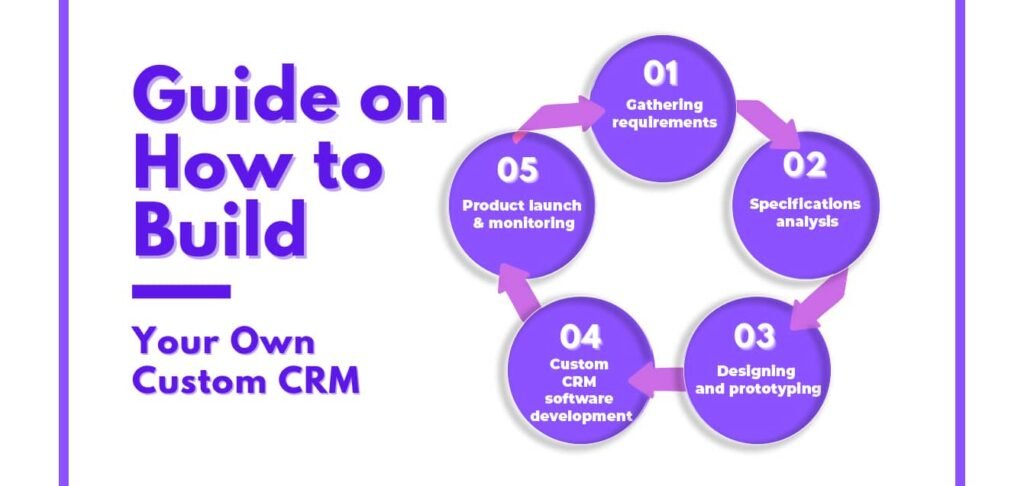
First, identify what you want your CRM to achieve. For example:
Clear objectives guide development decisions.
Next, document:
When you understand the full lifecycle, developers can build workflows that match real operations.
Technology determines performance and scalability. Common stacks include:
Your development team should recommend a stack based on future growth plans.
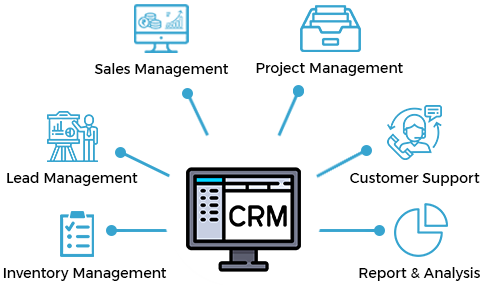
A tailored CRM should include:
However, avoid feature overload. Instead, build essential modules first and expand later.
Modern businesses rely on multiple tools. Therefore, your CRM must integrate with:
Seamless API integration ensures data consistency across departments.
Data protection remains critical, especially in regions like Dubai and the UK. A well-developed custom CRM includes:
Security should never be an afterthought.
Before launching:
After deployment, continuously optimize based on user feedback.
Costs vary depending on:
On average:
Although the upfront investment may seem high, businesses often recover costs through improved productivity and higher conversion rates.
When you work with experts like The Brands Bureau, you gain:
Moreover, experienced agencies understand regional markets across the United States, Australia, United Kingdom, Dubai, and Pakistan, ensuring your CRM meets local compliance standards.
A UK-based real estate agency struggled with manual lead tracking. After implementing tailored custom crm development services, they:
As a result, sales teams focused more on closing deals rather than updating spreadsheets.
Even though custom CRM systems offer flexibility, businesses often make mistakes:
Avoid these pitfalls to ensure a successful implementation.
Custom CRM systems empower businesses to operate smarter, not harder. Instead of adapting your workflow to software limitations, you design software around your workflow. By investing in custom crm development services, you gain scalability, automation, integration flexibility, and complete data control.
If your organization wants long-term growth without operational bottlenecks, now is the time to build a tailored CRM solution.
Visit The Brands Bureau at https://thebrandsbureau.com/ to schedule a consultation and start building your custom CRM today.
Custom CRM development services involve designing and building a customer relationship management system tailored specifically to a company’s processes and goals.
Development typically takes 3 to 6 months, depending on feature complexity and integrations.
Custom CRM offers greater flexibility and scalability, while SaaS CRM provides quicker deployment. The best choice depends on business size and long-term goals.
Yes. A well-built CRM integrates with accounting tools, ERP systems, marketing platforms, and other APIs.
When developed professionally, custom CRM systems include advanced security measures such as encryption, access control, and compliance protocols.
This article was written by the CRM and digital transformation specialists at The Brands Bureau, a global technology and marketing agency delivering scalable business solutions across the United States, Australia, United Kingdom, Dubai, and Pakistan. With years of experience in enterprise software development and automation strategy, the team focuses on performance-driven, secure, and growth-oriented digital systems.


Leave A Reply Now