



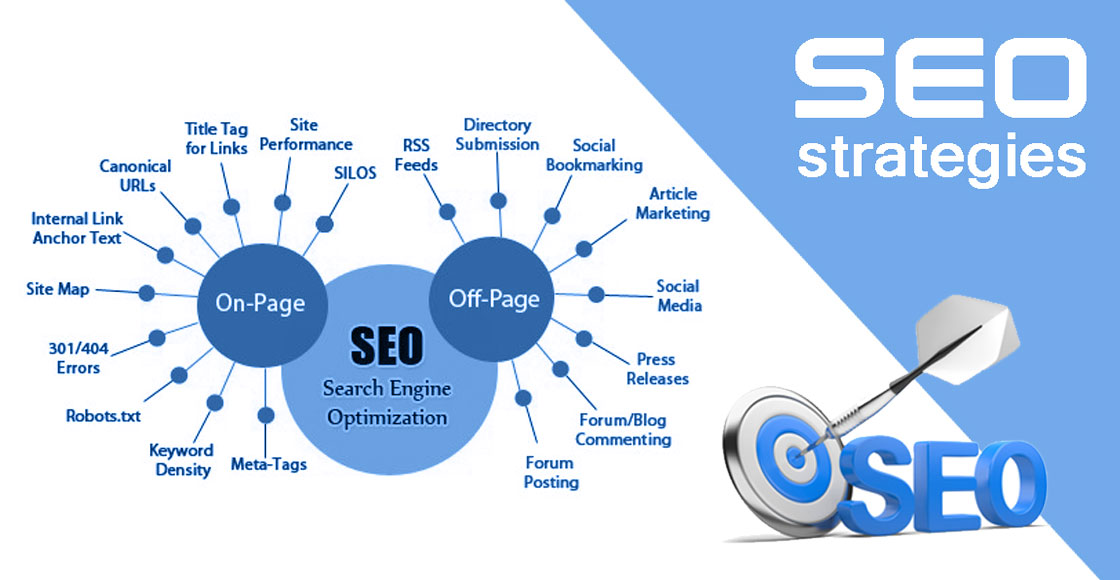
Digital marketplace, simply having an eCommerce website isn’t enough. Businesses need website SEO services to ensure their products are visible, accessible, and competitive. Search engine optimization for eCommerce involves more than just keywords—it’s about creating an optimized user experience, improving site architecture, and driving qualified traffic that converts into sales.
Whether you operate in the United States, United Kingdom, Italy, France, Dubai, or Pakistan, understanding SEO best practices is essential for reaching your global audience and increasing revenue.
Search engines are the primary traffic source for most online stores. Without proper SEO:
Optimizing an eCommerce website requires a holistic approach. Below are essential strategies:
Focus on long-tail keywords and transactional search terms. Examples:
Tips:
On-page SEO ensures each page is optimized for search engines and users:
Example: Link your blog on “Top eCommerce Trends 2026” from product category pages to improve topical relevance.
A technically optimized site improves crawlability and user experience:
Content attracts, informs, and converts potential customers. Consider:
Transition Words in Action: Furthermore, by integrating content marketing with SEO, online stores increase visibility and authority. Additionally, it provides opportunities for internal linking and organic traffic growth.
High-quality backlinks remain a crucial ranking factor:
Pro Tip: Focus on relevance rather than volume—one link from an authoritative fashion magazine can outperform dozens of low-quality links.
Google increasingly values UX as a ranking factor:
For example, instead of “IMG_1234.jpg,” use “red-leather-jacket-men.jpg” to improve search visibility.
Investing in website SEO services for eCommerce is no longer optional—it’s a necessity. By following these strategies, businesses can improve visibility, enhance user experience, and increase sales. Remember, SEO is a long-term commitment, but with the right approach, the ROI is significant.
Call-to-Action: Ready to boost your online store’s search rankings? Contact The Brands Bureau today and implement proven eCommerce SEO strategies that deliver results.
1. What are website SEO services for eCommerce?
Website SEO services include keyword optimization, on-page and technical SEO, content marketing, and link-building strategies tailored for online stores.
2. How long does it take to see results from eCommerce SEO?
Typically, results appear within 3–6 months depending on competition, website size, and strategy execution.
3. Can SEO improve eCommerce conversion rates?
Yes. SEO brings targeted traffic, enhancing the likelihood of purchases, thereby increasing conversion rates.
4. What tools help with eCommerce SEO?
Popular tools include Ahrefs, SEMrush, Google Analytics, and Search Console for keyword research, performance tracking, and competitor analysis.
5. Is mobile optimization necessary for eCommerce SEO?
Absolutely. With most users browsing and shopping on mobile devices, Google prioritizes mobile-friendly sites in search results.
6. How do I choose a reliable eCommerce SEO service provider?
Look for providers with proven case studies, positive reviews, and expertise in both technical and content-based SEO.
Zeeshan Shafiq is a digital marketing expert at The Brands Bureau, specializing in SEO and eCommerce growth strategies. With over a decade of experience, he has helped global brands optimize websites, improve search rankings, and maximize online revenue.



Leave A Reply Now