



Many businesses invest heavily in search engine optimization, yet they overlook a crucial factor website design. If your website structure, speed, and user experience are not optimized, even the best SEO strategies struggle to perform.
That is why seo website design has become a fundamental part of modern digital marketing. Instead of adding SEO after launching a site, smart companies integrate SEO principles directly into the design process seo website design.
When you combine SEO with thoughtful design, your website becomes easier for both users and search engines to navigate. As a result, pages rank faster, visitors stay longer, and conversion rates increase.
In this guide, we will explore six key principles of seo website design that help websites achieve better rankings, stronger engagement, and long-term visibility.
Before diving into the principles, it is important to understand why seo website design plays such a major role in search performance.
Search engines evaluate websites based on multiple factors, including:
Therefore, if your design blocks search engine bots or frustrates users, rankings will suffer.
However, when seo website design is implemented correctly, it helps:
In short, design and SEO must work together.
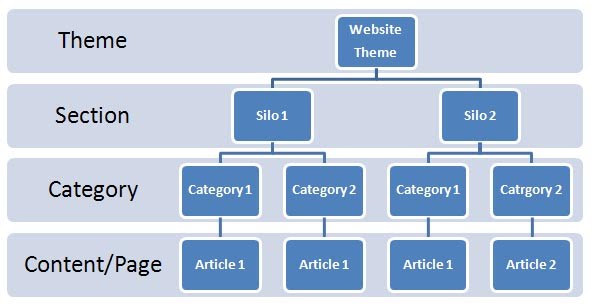
The first principle of seo website design is creating a logical and organized website structure.
Search engines crawl websites through internal links. Therefore, a clear hierarchy helps search engines understand your pages and rank them appropriately.
A well-structured site typically follows this hierarchy:
Homepage → Category Pages → Subcategory Pages → Content Pages
For example:
This structure benefits both users and search engines.
A strong structure improves:
Additionally, it helps visitors find information quickly, which improves engagement.
Website speed is a direct ranking factor. Consequently, seo website design must prioritize performance from the start.
Research consistently shows that slow websites lose visitors quickly. In fact, many users leave if a page takes more than three seconds to load.
Designers should focus on:
Moreover, a lightweight design reduces loading time and improves usability.
Studies show that faster websites can increase conversions by up to 20%. Therefore, speed optimization plays a critical role in effective website design and seo
Mobile traffic dominates internet usage worldwide. Consequently, search engines now prioritize mobile-first indexing.
That means Google evaluates the mobile version of your website first.
Because of this shift, website design and seo must ensure a seamless mobile experience.
A mobile-optimized website should include:
Furthermore, navigation should remain simple and intuitive on smaller screens.
Mobile optimization improves:
Therefore, mobile-friendly design is no longer optional.
Navigation plays a major role in website design and seo because it helps both users and search engines understand your site.
Clear navigation ensures that visitors can move easily between pages. Meanwhile, internal links help search engines discover content.
To improve SEO through navigation:
For example, a blog about digital marketing might internally link to:
Strategic internal linking helps:
As a result, your entire website becomes stronger in search rankings.
Content remains the backbone of SEO. However, poor design can hide valuable content from both users and search engines.
Therefore, seo website design must prioritize content visibility.
A well-designed page should include:
Additionally, designers should avoid clutter and distracting elements.
A clear hierarchy helps search engines understand page topics.
Example:
Because of this structure, website design and seo improves readability and ranking potential.
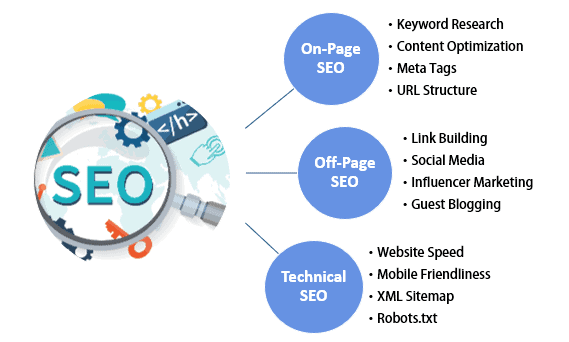
Technical SEO ensures that search engines can crawl, understand, and index your website.
When developers integrate technical optimization during the design phase, websites perform much better.
A strong website design and seo should include:
Additionally, structured data helps search engines display rich results.
Schema markup can enable:
Consequently, technical SEO enhances visibility and click-through rates.
Even well-designed websites sometimes make critical SEO mistakes.
Here are some common issues:
Therefore, businesses should always test websites before launch.
Tools like Google PageSpeed Insights, Search Console, and Core Web Vitals reports help identify problems early.
Integrating SEO during the design phase creates a strong foundation for long-term digital success. Instead of treating SEO as an afterthought, businesses should combine design, usability, and search optimization from the beginning.
By following the six principles of website design and seo clear structure, fast performance, mobile optimization, smart navigation, content-focused layouts, and technical SEO—you can create websites that perform well in both search engines and user experience.
Ultimately, websites that balance design and SEO achieve higher rankings, stronger engagement, and better conversions.
If you want your website to attract more organic traffic and customers, start implementing these website design and seo strategies today.
What is SEO website design?
website design refers to building a website that is optimized for both users and search engines. It includes elements such as fast loading speed, mobile responsiveness, clean site structure, and optimized content.
Why is SEO important in web design?
SEO ensures that search engines can crawl and index your website properly. Without SEO-friendly design, even high-quality content may struggle to rank in search results.
What are the key elements of SEO website design?
The most important elements include:
Together, these elements improve search visibility and user experience.
Does website speed affect SEO rankings?
Yes. Page speed is a confirmed ranking factor. Faster websites improve user experience and reduce bounce rates, which positively impacts SEO performance.
How does mobile-first design affect SEO?
Search engines prioritize mobile versions of websites when ranking pages. Therefore, mobile-friendly design improves indexing, usability, and overall SEO performance.
The Brands Bureau is a digital growth company specializing in website desgin and SEO, branding, and performance marketing. The team focuses on data-driven strategies that help businesses increase visibility, attract qualified traffic, and achieve sustainable online growth across global markets.






Leave A Reply Now