




The travel industry has changed dramatically in the last decade. Travelers now search, compare, and book trips online before contacting any agency. Because of this shift, digital marketing for travel industry businesses has become essential for attracting customers, building brand visibility, and increasing bookings.
From SEO and social media to paid advertising and influencer collaborations, travel brands now rely on digital channels to reach global audiences. In this guide, you will learn how digital marketing for the travel industry works, which strategies perform best, and how travel agencies, tour operators, and hospitality businesses can grow their online presence effectively.
Travelers spend significant time researching destinations online before booking a trip. According to industry studies, over 80% of travelers research online before making travel decisions. Therefore, businesses that invest in digital marketing for travel industry gain a strong competitive advantage.
Key benefits include:
Furthermore, digital marketing allows travel companies to target specific audiences based on location, interests, and travel behavior.
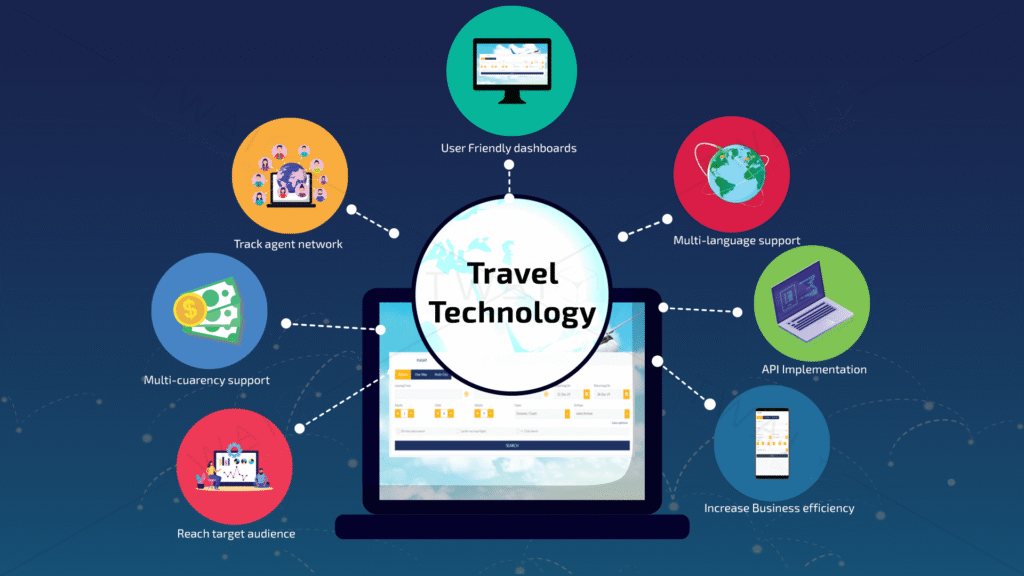
SEO remains one of the most powerful tools in digital marketing for travel industry. A well-optimized travel website ranks higher on search engines and attracts organic traffic.
Important SEO elements include:
For example, a travel agency targeting the UK market might optimize content for keywords like:
SEO Best Practices for Travel Brands
Consistent SEO efforts help travel businesses build long-term visibility.
Content marketing plays a crucial role in digital marketing for travel industry because travelers seek inspiration before booking trips.
Popular travel content formats include:
Example Content Topics
Additionally, visual storytelling improves engagement and helps travel brands showcase experiences.
Social media platforms strongly influence travel decisions. Platforms like Instagram, TikTok, and Pinterest inspire travelers through visuals and storytelling.
Therefore, digital marketing for travel industry strategies often focus on social media engagement.
Key tactics include:
Travel brands that consistently share engaging content build strong communities and brand trust.
Paid advertising helps travel businesses generate instant traffic and bookings.
Common PPC platforms include:
With digital marketing for travel industry, PPC campaigns can target travelers based on:
For example, a travel agency in Dubai might run ads targeting travelers searching for “Dubai luxury holidays.”
Email marketing remains one of the most cost-effective channels in digital marketing for travel industry.
Travel businesses use email campaigns to:
Example Email Campaign Ideas
Personalized emails significantly improve conversion rates.
Travel influencers play a major role in destination marketing.
By partnering with travel bloggers and influencers, brands can:
Many tourism boards now include influencer collaborations in their digital marketing for travel industry strategies.
Reviews strongly influence travel decisions. Platforms like Google, TripAdvisor, and Booking websites impact customer trust.
Therefore, travel businesses must actively manage online reviews by:
Strong reputation management improves credibility and boosts conversions.
Several tools help automate and optimize digital marketing for travel industry campaigns.
Popular tools include:
These tools help travel marketers track performance and improve campaign results.
Although digital marketing offers many opportunities, travel businesses also face several challenges.
Common challenges include:
However, consistent strategy and strong branding help travel companies overcome these challenges.
The future of digital marketing for travel industry will rely heavily on technology and personalization.
Key emerging trends include:
As technology evolves, travel brands must adapt their digital strategies to stay competitive.
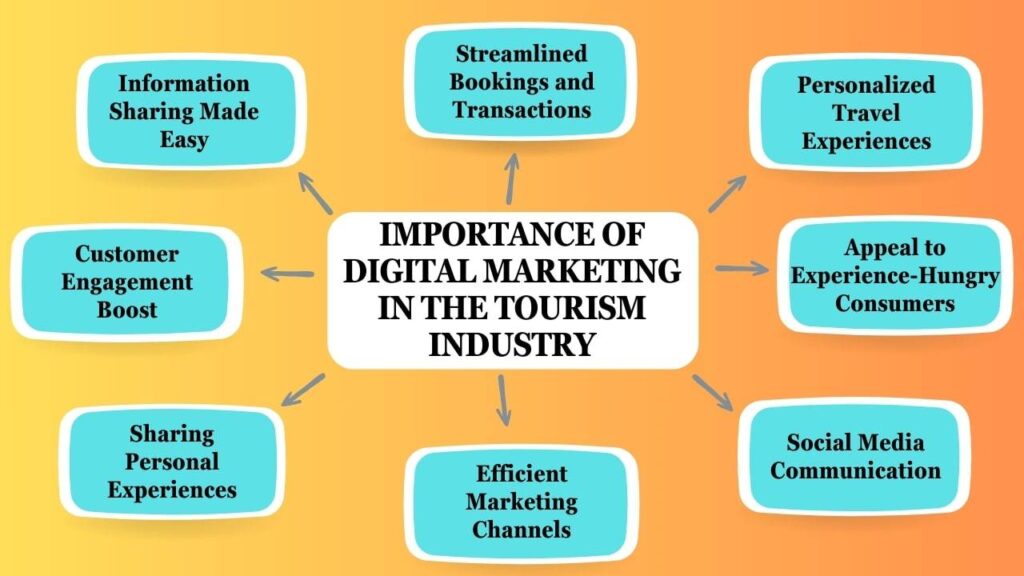
The travel industry now depends heavily on digital channels to attract and convert customers. Businesses that invest in digital marketing for travel industry strategies can reach global audiences, build strong brands, and increase bookings.
By combining SEO, content marketing, social media, PPC advertising, and influencer partnerships, travel companies can create powerful online marketing systems.
If your travel brand wants to grow online visibility and generate more bookings, working with experienced digital marketing professionals can make a significant difference.
👉 Visit The Brands Bureau to explore expert digital marketing solutions designed to help travel businesses succeed online.
1. What is digital marketing for the travel industry?
Digital marketing for the travel industry refers to using online channels such as SEO, social media, paid ads, and email marketing to promote travel services and attract travelers.
2. Why is digital marketing important for travel agencies?
Digital marketing helps travel agencies increase online visibility, reach global audiences, and generate more bookings through targeted marketing strategies.
3. Which digital marketing strategy works best for travel companies?
SEO, social media marketing, content marketing, and PPC advertising are among the most effective strategies for travel businesses.
4. How can travel companies improve online bookings?
Travel companies can improve bookings by optimizing their website, creating engaging travel content, running targeted ads, and managing customer reviews.
5. How long does SEO take for travel websites?
SEO results usually take 3 to 6 months depending on competition, website authority, and keyword difficulty.
Zeeshan Shafiq is a digital marketing strategist at The Brands Bureau, specializing in SEO, content marketing, and performance-driven campaigns. With experience working with global brands across the United States, United Kingdom, Australia, and the Middle East, he helps businesses grow their online presence and achieve measurable marketing results.


Leave A Reply Now